Pandemic Onset - March 2020
The potential ventilator shortage
The rapid onset of the pandemic meant that ventilators could run out in a matter of weeks. When ventilators run out, the only option is for a provider to continuously ventilate a patient using a handheld mechanical ventilation bag.

The need for a bridge device
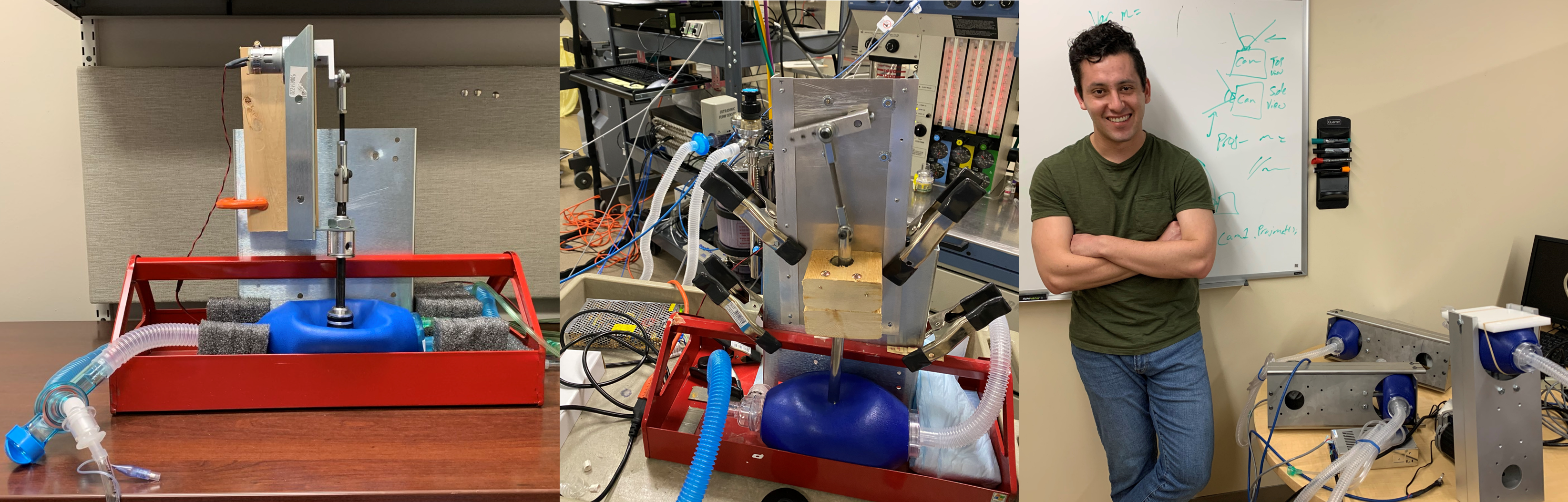
Dr. Steve Richardson approached the Earl E. Bakken Medical Devices Center to build a bridge device. The team brainstormed a robotically actuated compressor which would replace continuous hand ventilation.

Rapid design and testing
Within days, we built concept prototypes, tested on animals, and started a marketing campaign to raise awareness and funds.

Final Design - 2 Weeks Later
Assembling a team
After initial successes with our prototypes, I was chosen to lead the engineering team with the goal to produce a safe, effective alternative to hand ventilation as fast as possible.

Aiming for Emergency Use Authorization
Within 2 weeks, our team produced 5 full design iterations, successfully tested on 4 animals, and prepared to submit our data to the FDA.

Manufacturing Collaborations - One Month Later
Collaborating with industry
Once our concept was validated, we used our industry connections to quickly transfer the technology to Boston Scientific for manufacturing where I served as a design reviewer and approver.

Raising funds through media
We also continued our media marketing campaign and successfully raised over $200k in donations in one month. See my media page for more.

Emergency Use Approval and 3000 Coventors - 67 Days Later
A massive team effort
Through the course of this journey, our team grew to include over a hundred people between the university and industry, and we collaborated with everyone from major medical device manufacturers to single-room fabrication shops.

Race to the finish
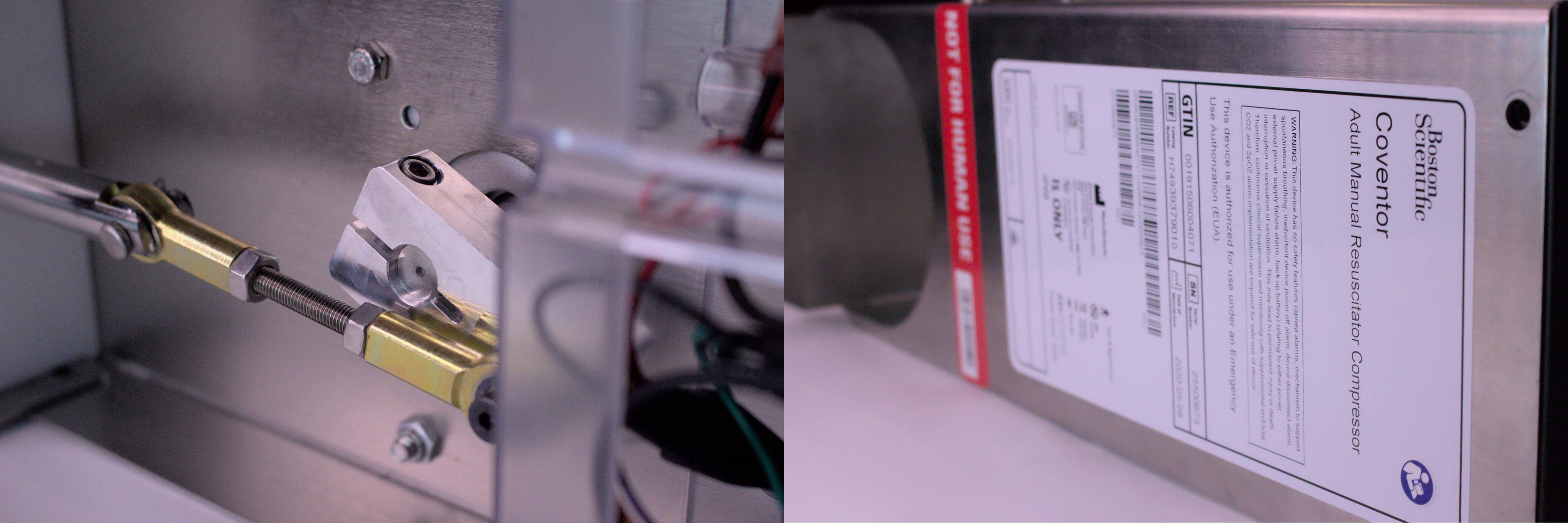
Through our collaboration with Boston Scientific, Medtronic and UnitedHealth Group, we were able to produce 3000 FDA Emergency Approved Coventors only 67 days after the pandemic onset.

Where are the Coventors now?
Global distribution
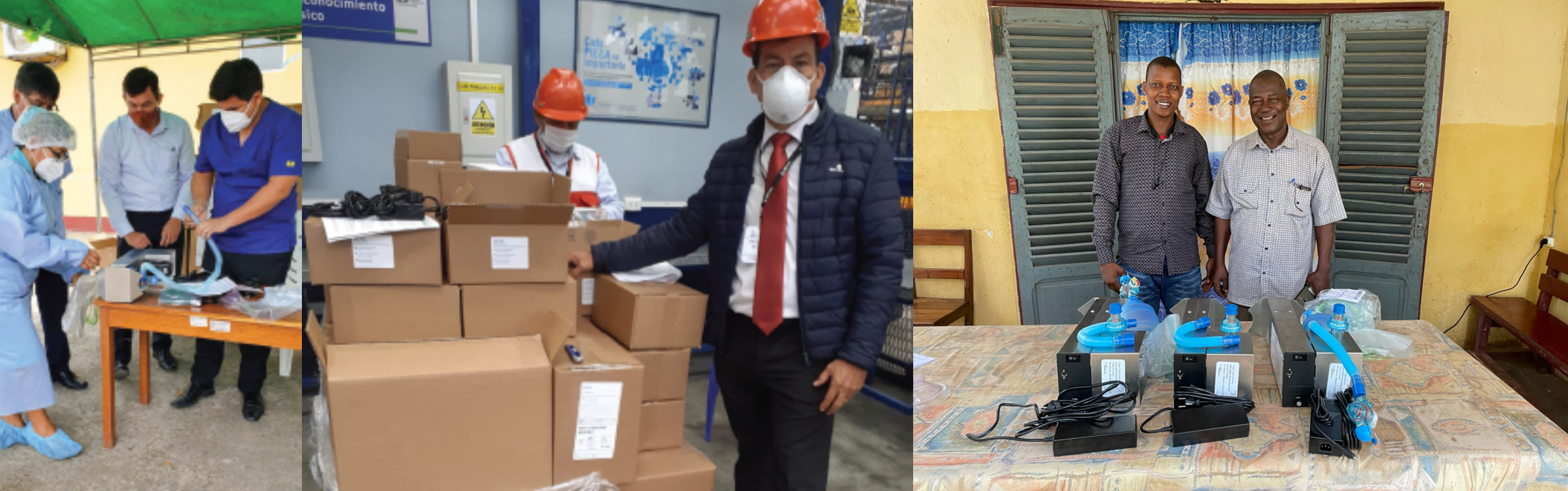
Thanks to efforts of providers across the country, the US did not experience a ventilator shortage. Once the supply chain was secure, UnitedHealth Group began distributing Coventors to various NGOs. Today, Coventors have been used worldwide in places such as Peru, Guinea and India.

Reflecting on my experience
Leading the early-stage Coventor development was an incredible privilege, and it would be impossible to thank everyone that contributed to their success. Most importantly, I learned how to build a focused team and how to lean on them for support in times of need.